
Local SEO · Field notes · 6 min read · By Alexander Bishop
Why your business name, address, and phone need to match everywhere
When your name, address, and phone number drift across the web, Google loses confidence in your business. Here is how to find and fix the mismatches.
What NAP actually means
NAP stands for Name, Address, and Phone number. It is the basic identity information a search engine uses to confirm that a business is real, located where it claims, and reachable. When that information matches across your website, your Google Business Profile, directories, maps, and listings, Google gains confidence. When it drifts, Google has to guess, and guessing is bad for ranking.
This is not a theory invented to sell you a citation service. It is the same logic behind how trust works anywhere. If three sources say your business is on Oak Street and two say it is on Maple, a reasonable person slows down and wonders which is right. Google does the same thing, and it lowers confidence in the business until the mismatch gets cleared up.
How the mismatches usually happen
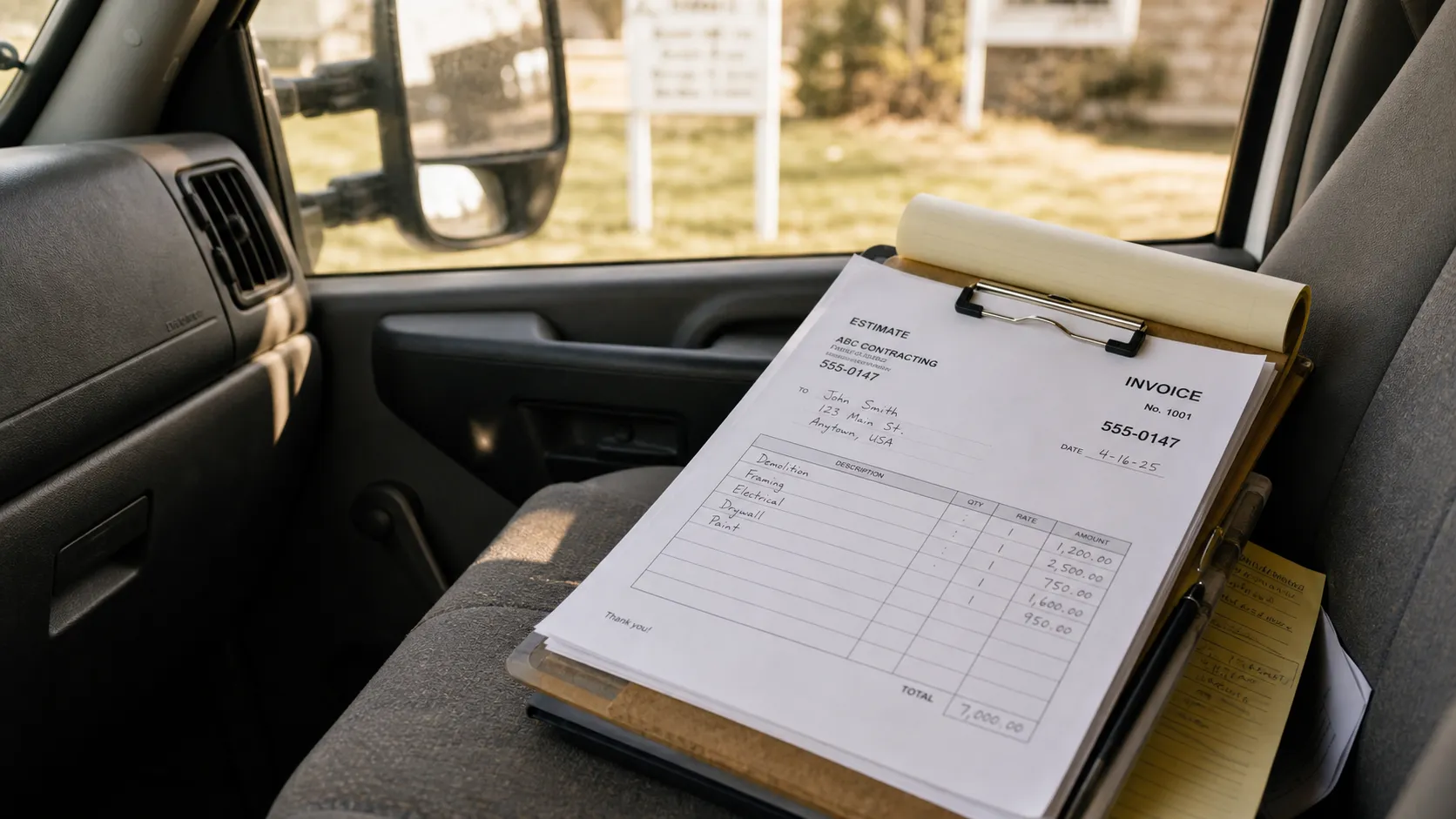
Most NAP drift is not malicious. It comes from moving offices, changing phone providers, adding a second number for tracking, rebranding, or just old listings nobody remembers creating. A contractor sets up a Yelp page in 2019, switches to a new phone line in 2022, and forgets the old listing still shows the old number. Two years later, a homeowner calls a disconnected line.
Tracking numbers are a classic trap. Call-tracking tools are useful, but if a different number gets published in every directory, Google sees a business with six phone numbers and no single source of truth. Used carefully, tracking works. Sprayed across every listing, it creates exactly the kind of inconsistency that drags down local confidence.
Find what is out there
Start by searching your exact business name and phone number. Then search the old name, old number, and old address. You will often find listings you forgot existed on directories, review sites, map apps, and old industry portals. Write down every version of the NAP you find and where it appears.
There are paid citation-audit tools that automate this scan, and they are worth it if the list is long. For most small home service businesses, a focused manual search turns up the big problems in an afternoon. The goal is not a perfect spreadsheet of every minor directory on the internet. It is fixing the sources that actually feed Google and that homeowners actually see.
Fix the sources that matter first
Order matters. Fix your own website first, because it is the reference point customers and search engines check against everything else. Then fix your Google Business Profile, because it drives the map. Then move to the major directories and data aggregators, because they feed hundreds of smaller listings downstream. After the big sources agree, the minor ones matter less.
Use the real business name as it appears on registration and signage, not a keyword-stuffed version. Use the real address, and if you are a service-area business that does not receive customers at the address, hide it on the profile but keep it consistent behind the scenes. Use one primary phone number across the web. If you must track calls, use a solution that swaps numbers carefully and keeps the primary listing clean.
Make it a routine, not a one-time project
Citations are not a set-and-forget task. Any time the business moves, rebrands, changes numbers, or adds a location, the NAP needs to be updated everywhere it appears. The simple fix is to keep a single document listing every place the business is published and to update that document whenever something changes.
You do not need to chase down every tiny directory that scraped your data five years ago. But the major sources should match, and any listing a homeowner might actually find should be correct. Consistent NAP is not exciting. It is also one of the cheapest ranking and trust improvements a contractor can make.